
Precautions for using electromagnetic brakes
Publish Time:
2020-11-05
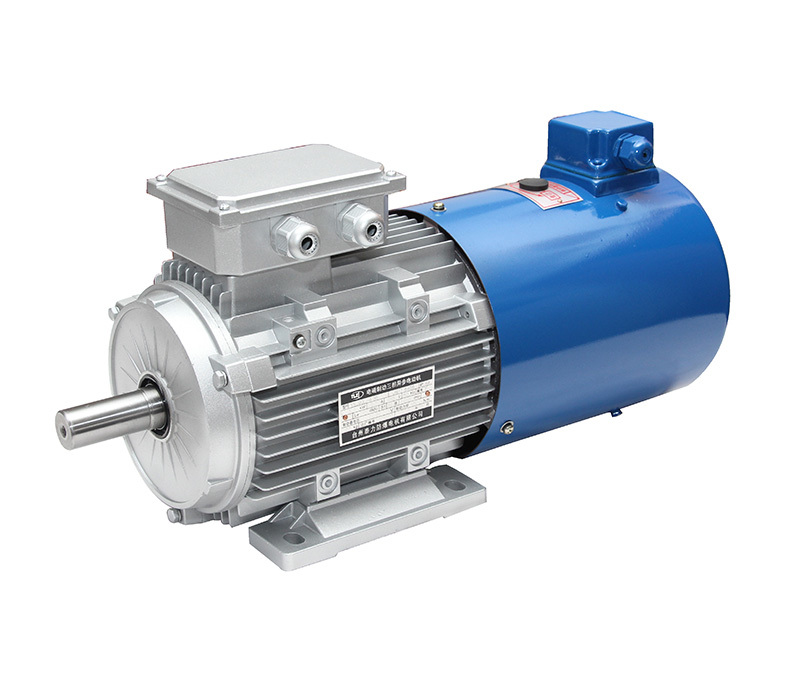
Electromagnetic brakes are generally divided into two types: energized braking and de-energized braking. They are commonly used auxiliary devices in motors. Energized braking electromagnetic brakes offer fast positioning and are often used in automated intelligent control equipment requiring positioning. However, this limits their application scenarios; De-energized braking electromagnetic brakes are more widely used and are commonly employed in mechanical transmission systems requiring positioning and braking, such as those in the chemical, metallurgical, printing and packaging, textile, and construction industries. In addition to their advantages of convenient operation and fast braking speed, de-energized braking electromagnetic brakes can brake in the event of unexpected power failure and loss of control.
Electromagnetic Brake Installation Precautions
1. The voltage fluctuation of the electromagnetic brake coil power supply must not exceed +5% and -15% of the rated voltage.
2. The general ambient air temperature during operation of the electromagnetic brake is -5℃ to 40℃, with a relative humidity below 85%.
3. Dust and oil must not enter between the friction plates of the electromagnetic brake.
4. There is no explosion hazard in the surrounding medium, and no gases or conductive dust that can corrode metal or damage insulation.
5. The electromagnetic brake operates under dry conditions.
The electromagnetic brake can be installed coaxially or axially. Axial fixation. Axial movement is not allowed for both the driven and driving parts.
Electromagnetic Brake Usage Precautions
1. Use the electromagnetic brake in a completely dry and oil-free state. If moisture or oil adheres to the friction parts, the frictional torque will be significantly reduced, and the braking sensitivity will deteriorate. Therefore, a cover should be installed to prevent this.
2. When used in dusty environments, place the entire brake inside a housing. Electromagnetic brakes below 60KGM can use a vertical type, or a higher model can be used.

3. Considering thermal expansion, the thrust of the mounting shaft should be controlled to less than 0.2MM.
4. When installing the electromagnetic brake, adjust the mechanical attraction gap to within ±20% of the specified value.
5. Keep the bracket light and use the bearings of the electromagnetic brake to avoid applying excessive pressure.
6. For assembly screws, use spring metal sheets and locking agents, etc. Measures to prevent loosening.
7. Secure the wires using the mechanical side frame and connect them reliably using a terminal board, etc.
Related News

Copyright © Taizhou Taili Explosion Proof Motor Co., Ltd. Powered by www.300.cn SEO
Friendly Link: Shenzhen Hengtuo Precision Machinery Co., Ltd.